Available courses

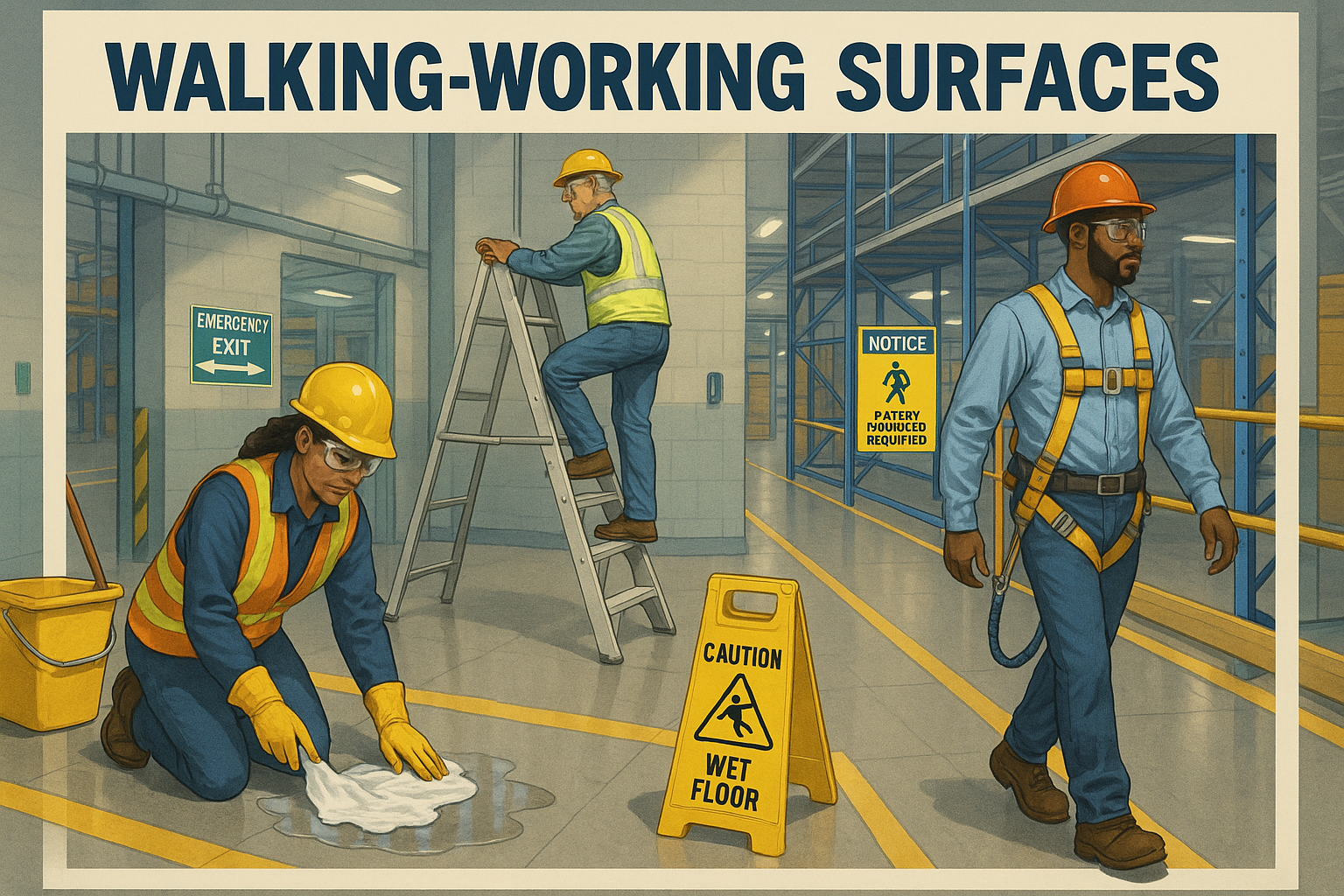
This course is designed for all general industry employees — including full-time, temporary, and contract workers.
Our goal is simple: prevent injuries from slips, trips, and falls, which remain a leading cause of serious injuries and fatalities in the workplace.

You’ll learn how to identify fall hazards, apply safe practices, and correctly use fall protection equipment in line with OSHA standards and our company’s safety program.

This micro-course is designed to provide workers with essential knowledge and practical skills to recognize and prevent hazards associated with walking and working surfaces. Learners will understand how to identify hazards, follow OSHA requirements, and apply safe practices in real-world scenarios.

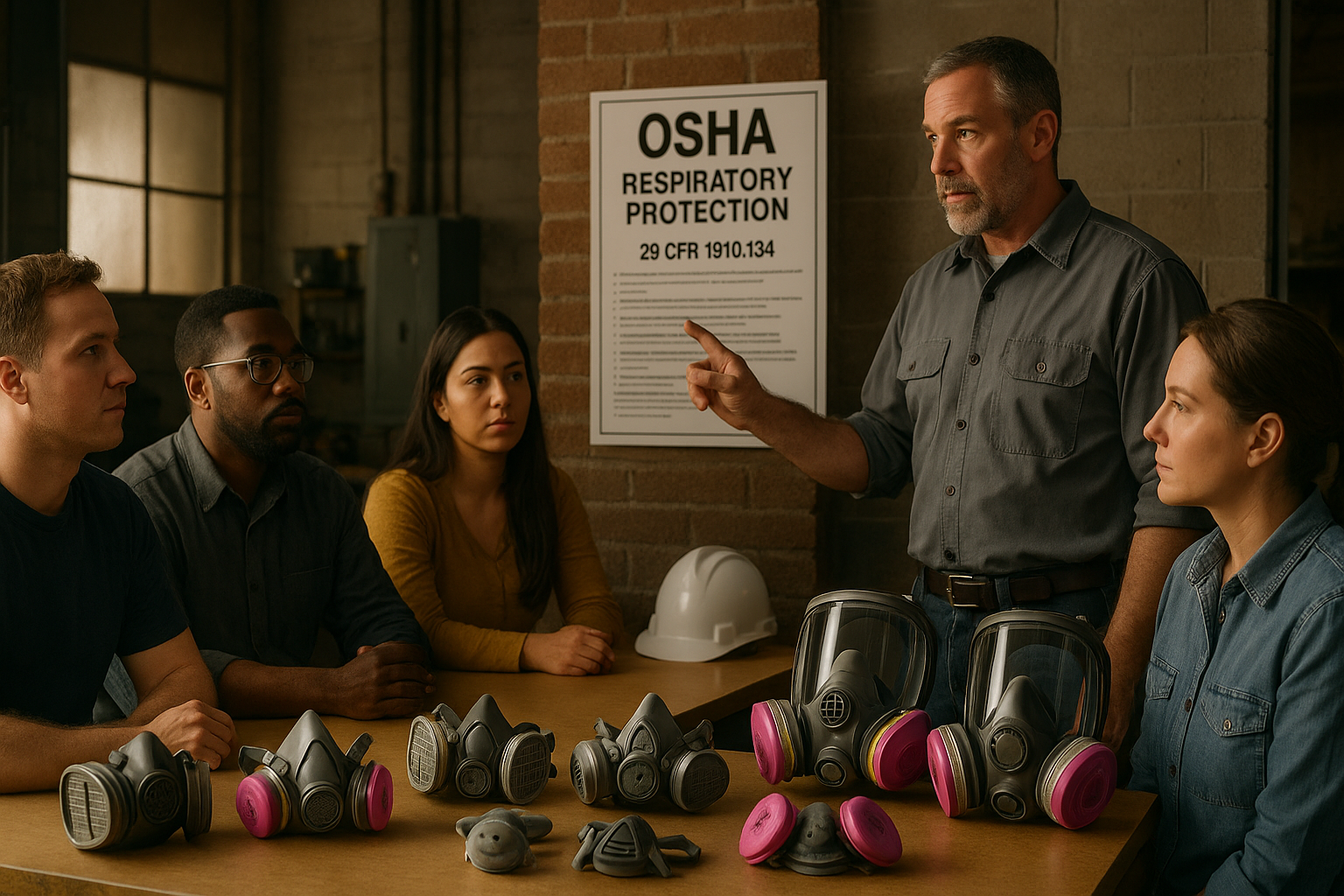
This training complies with OSHA’s Respiratory Protection Standard, 29 CFR 1910.134, and is designed to keep you safe when working around airborne hazards like dust and vapors.

In this course, you’ll learn how PPE is selected, used, maintained, and inspected to keep you safe on the job.

This training follows OSHA’s General Industry standards found in 29 CFR 1910.132 through 1910.139.

This training meets the requirements of OSHA’s 29 CFR 1910.95 – the Occupational Noise Exposure Standard.

Ergonomics is the science of fitting the job to the worker. Poorly designed work tasks can lead to strain, discomfort, and injury. This course will help you recognize and prevent ergonomic hazards.

This course is designed to help you recognize the hazards of confined spaces, understand your responsibilities, and follow procedures for safe entry and rescue. We follow the OSHA standard 29 CFR 1910.146, which governs permit-required confined spaces in general industry.

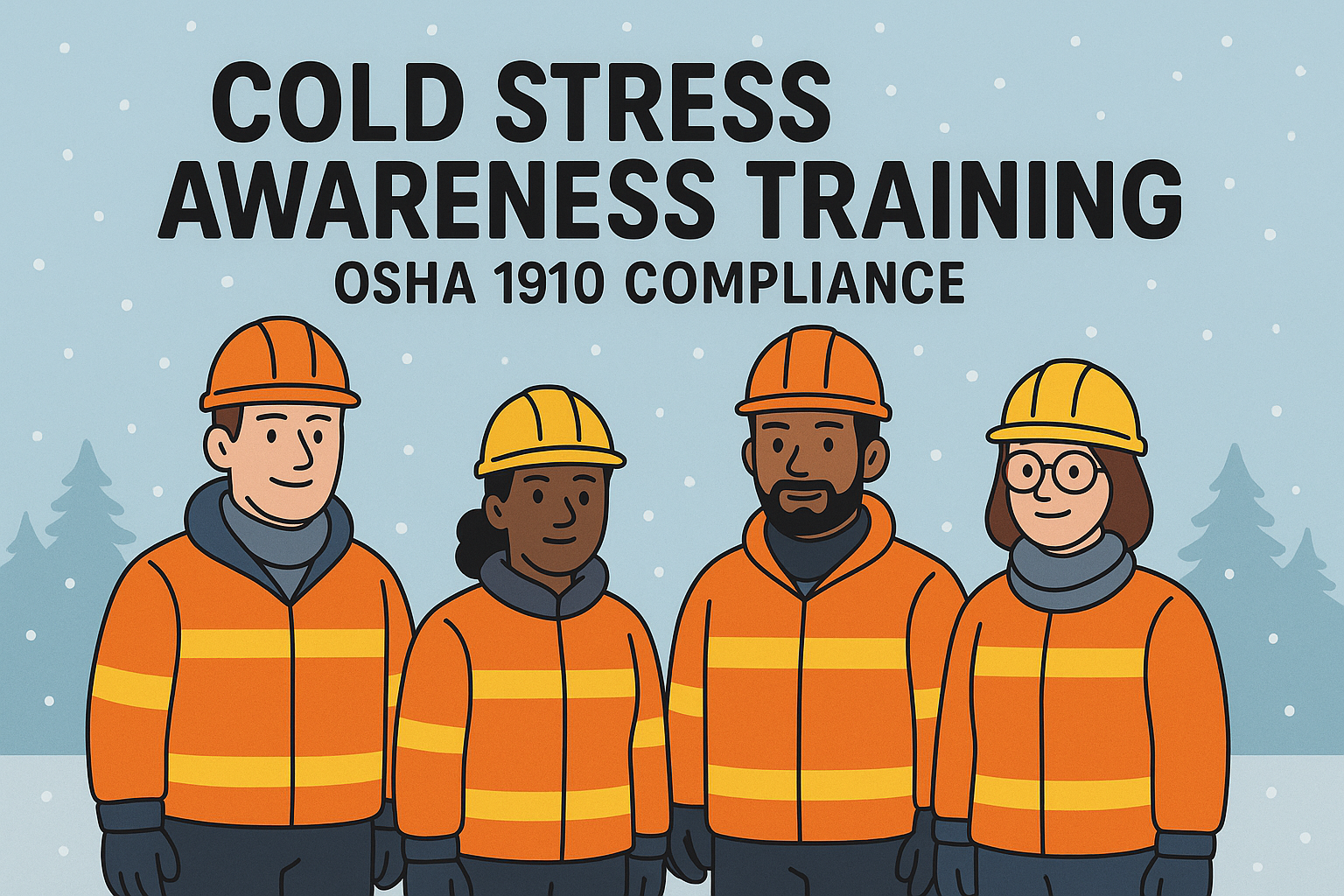
Cold Stress Awareness Training.

In this course you'll learn how cold environments affect the body, how to recognize cold-related illnesses, and most importantly—how to prevent them.

Cold stress isn’t just a concern in freezing temperatures. Even temperatures in the 50s, when combined with wind and moisture, can put workers at risk.

This training is based on OSHA General Duty Clause guidance, cold exposure best practices, and the company's site-specific safety procedures."

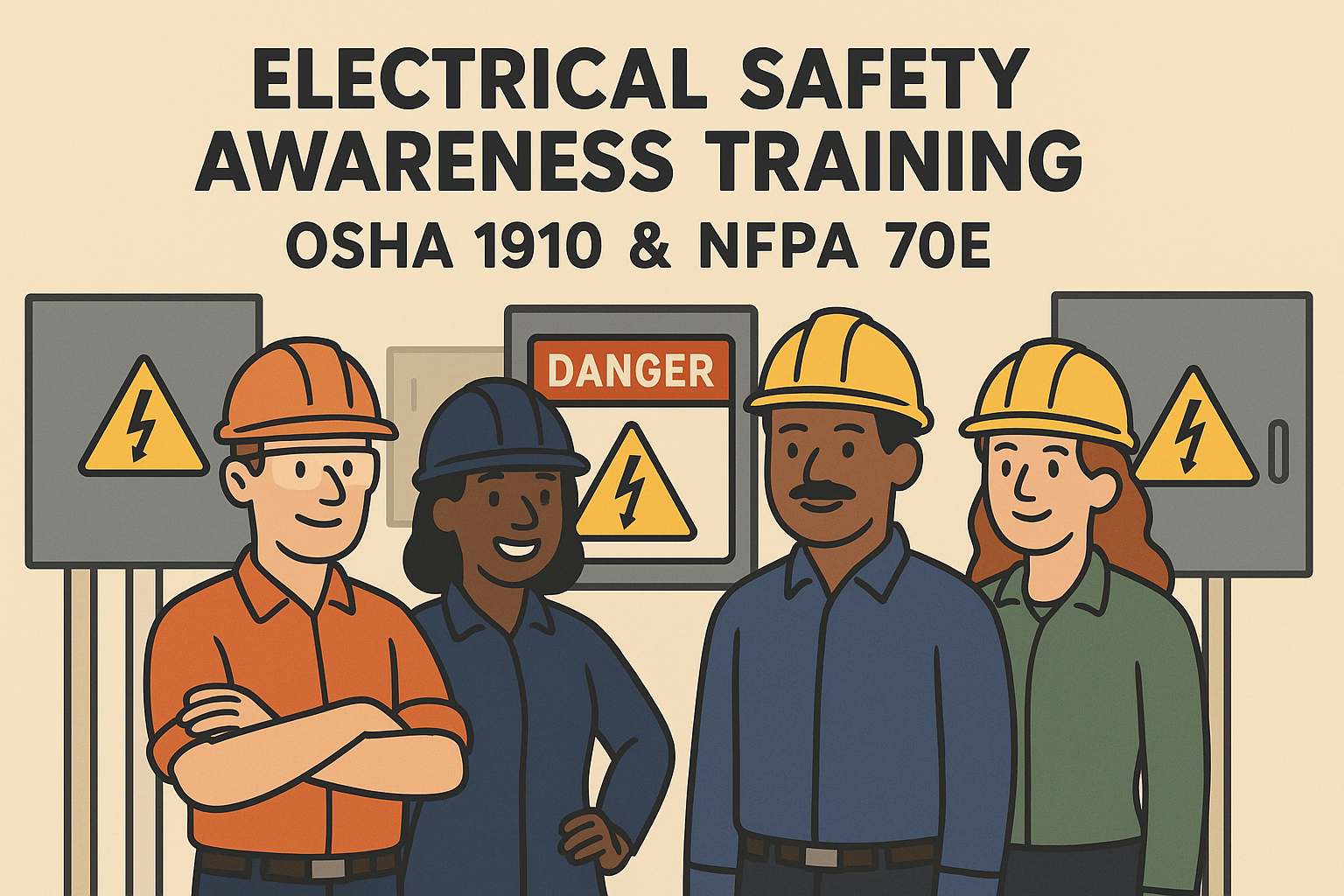
This course is designed to help you understand how to work safely around electrical systems, identify electrical hazards, use protective equipment, and follow proper procedures in accordance with OSHA’s 1910 Subpart S and NFPA 70E standards. 

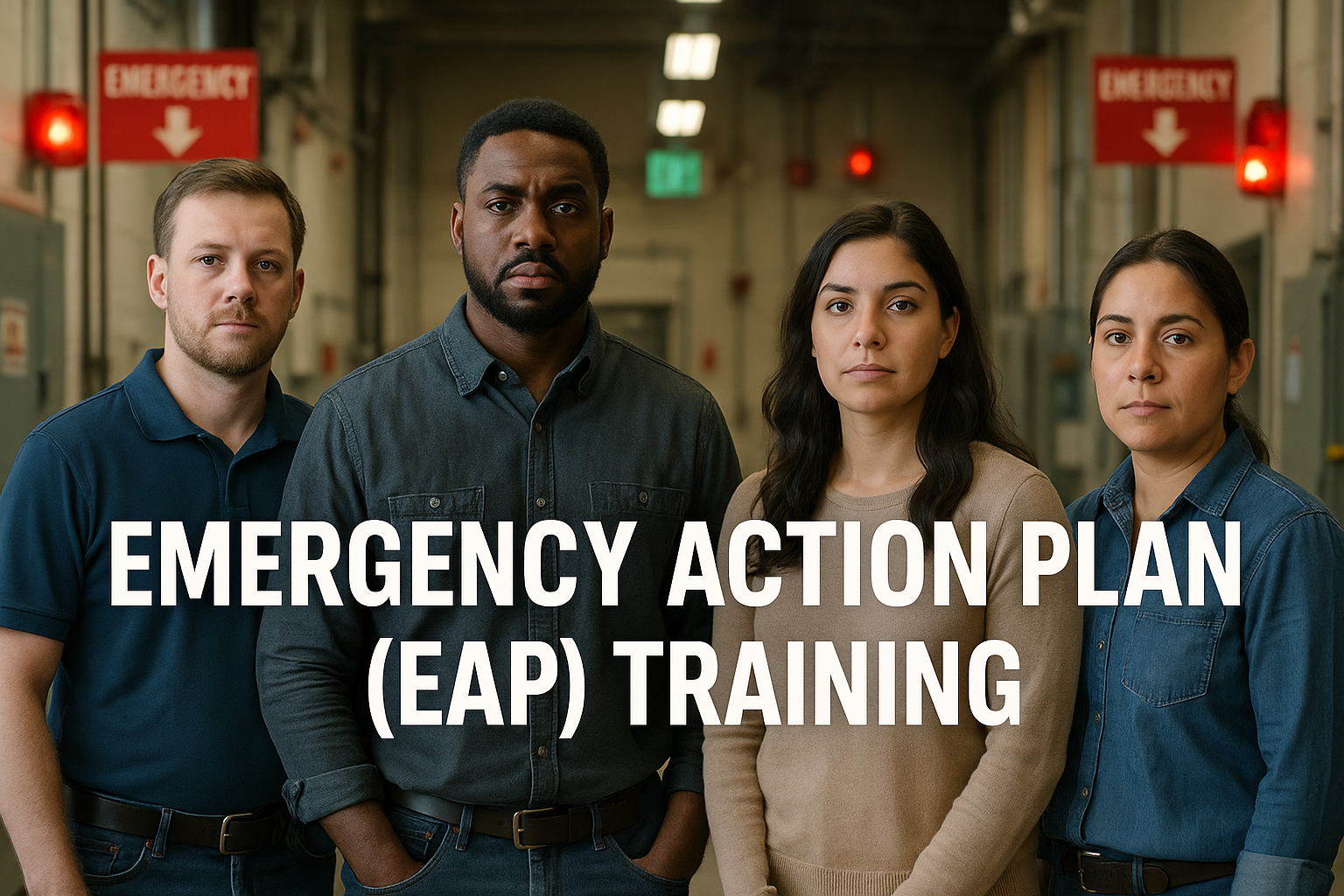
OSHA requires that all workplaces have a written Emergency Action Plan, and that employees are trained to follow it. This course will teach you how to respond to workplace emergencies safely and effectively, including: How to evacuate or shelter in place, How to report emergencies, Your role during drills or real incidents.

In this training, you’ll learn how to: Identify hazardous machine parts; Use and inspect machine guards; Operate hand and power tools safely; Follow OSHA regulations and company safety rules.

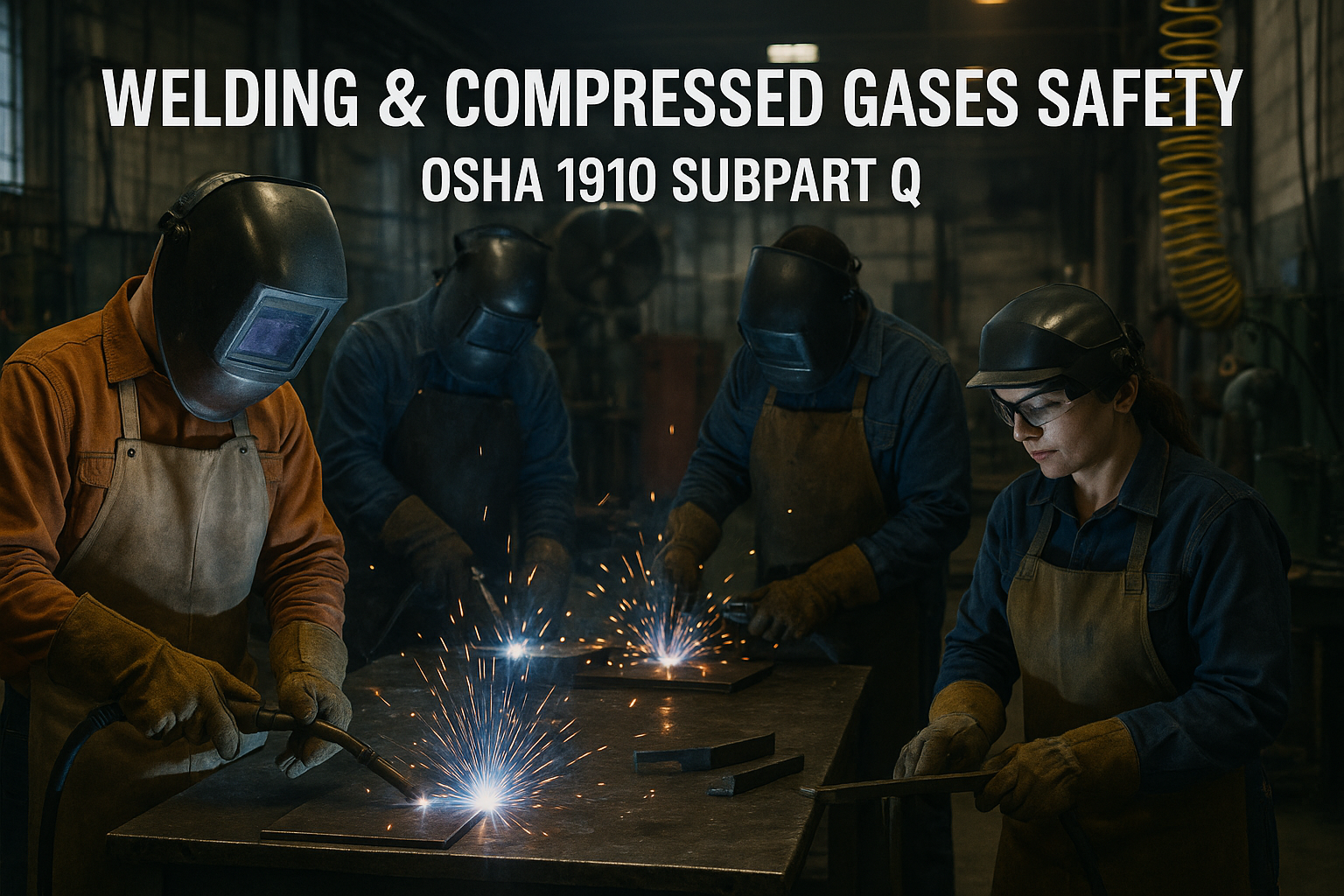
This course will help you recognize and control these hazards, protect yourself with proper PPE, and handle compressed gas cylinders safely in accordance with OSHA 29 CFR 1910 Subpart Q.

In this training, you’ll learn: What heat stress is, Types of heat-related illnesses and their symptoms, How to prevent heat stress, What to do in an emergency.

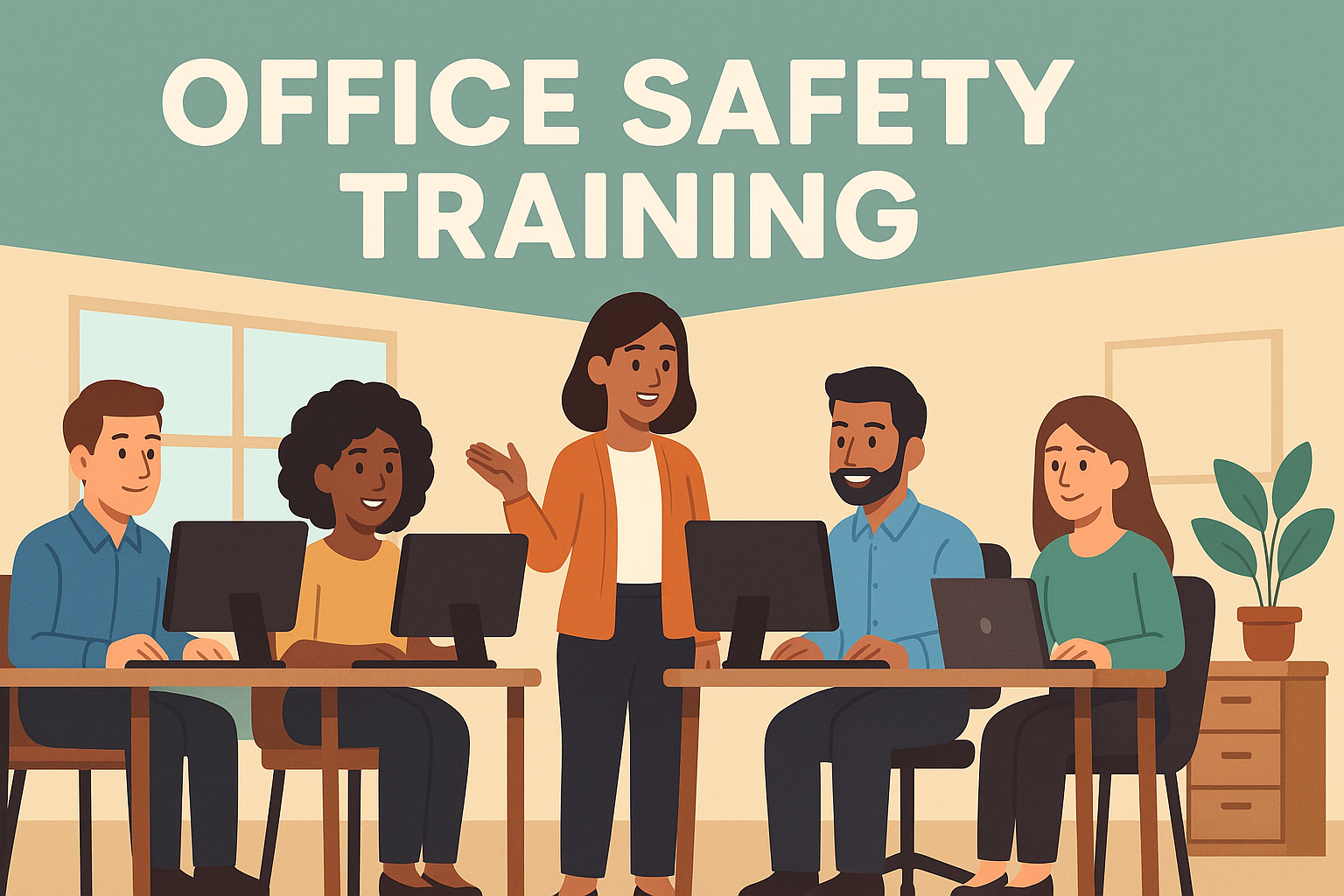
In this training, you’ll learn:

  • How to recognize and avoid common office hazards
  • Safe work practices for desks, equipment, and chemicals
  • What to do in emergencies or injuries

How to protect yourself and others in the workplace"

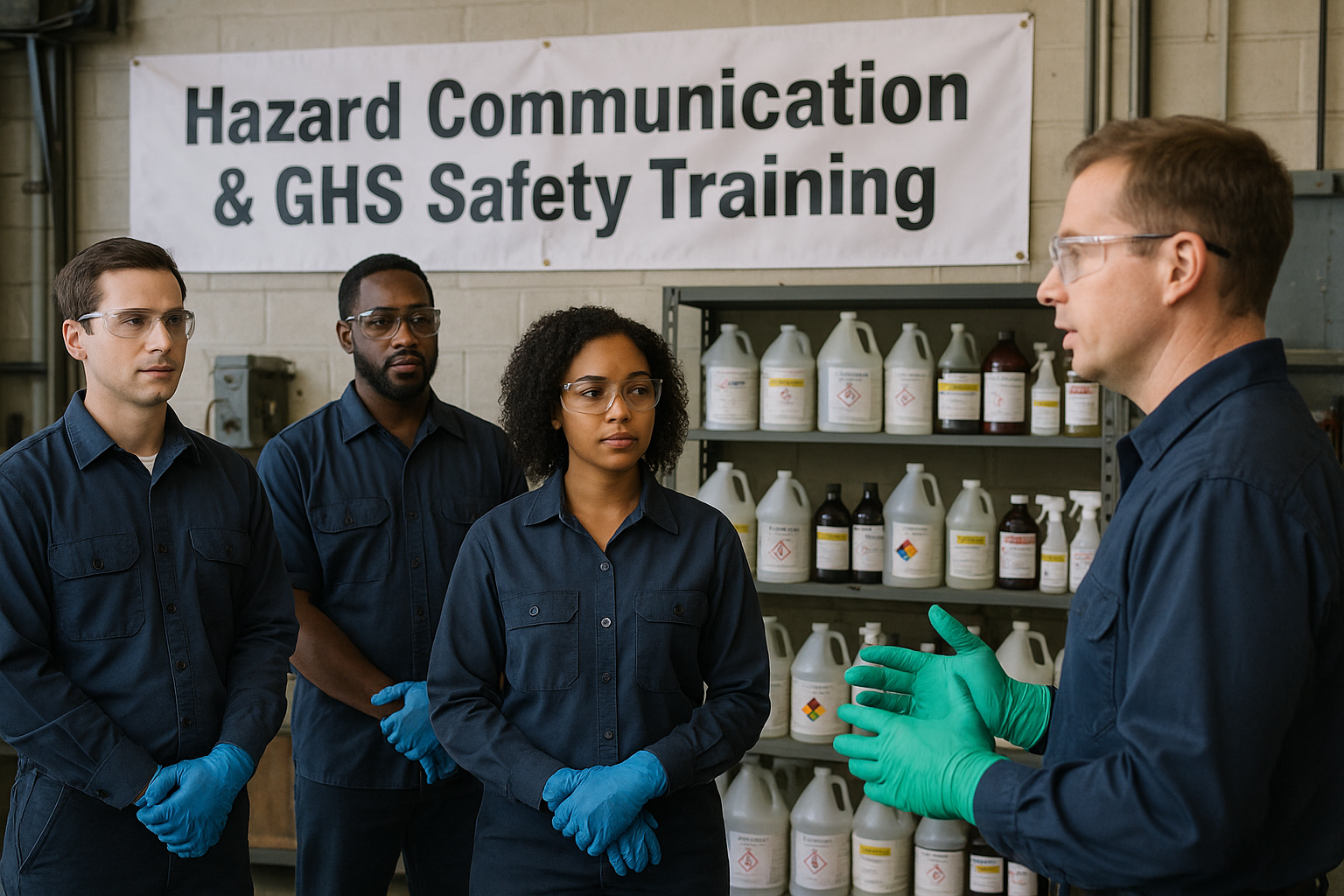
Hazard Communication and GHS Safety Training

If you work with, near, or around chemicals in the workplace, you need to understand the hazards, read the labels, and know how to protect yourself.

OSHA requires every employer to provide this training under 29 CFR 1910.1200, known as the Hazard Communication Standard or Right-to-Know Law.

We will also cover the Globally Harmonized System (GHS) of classification and labeling to help you easily identify chemical hazards at a glance

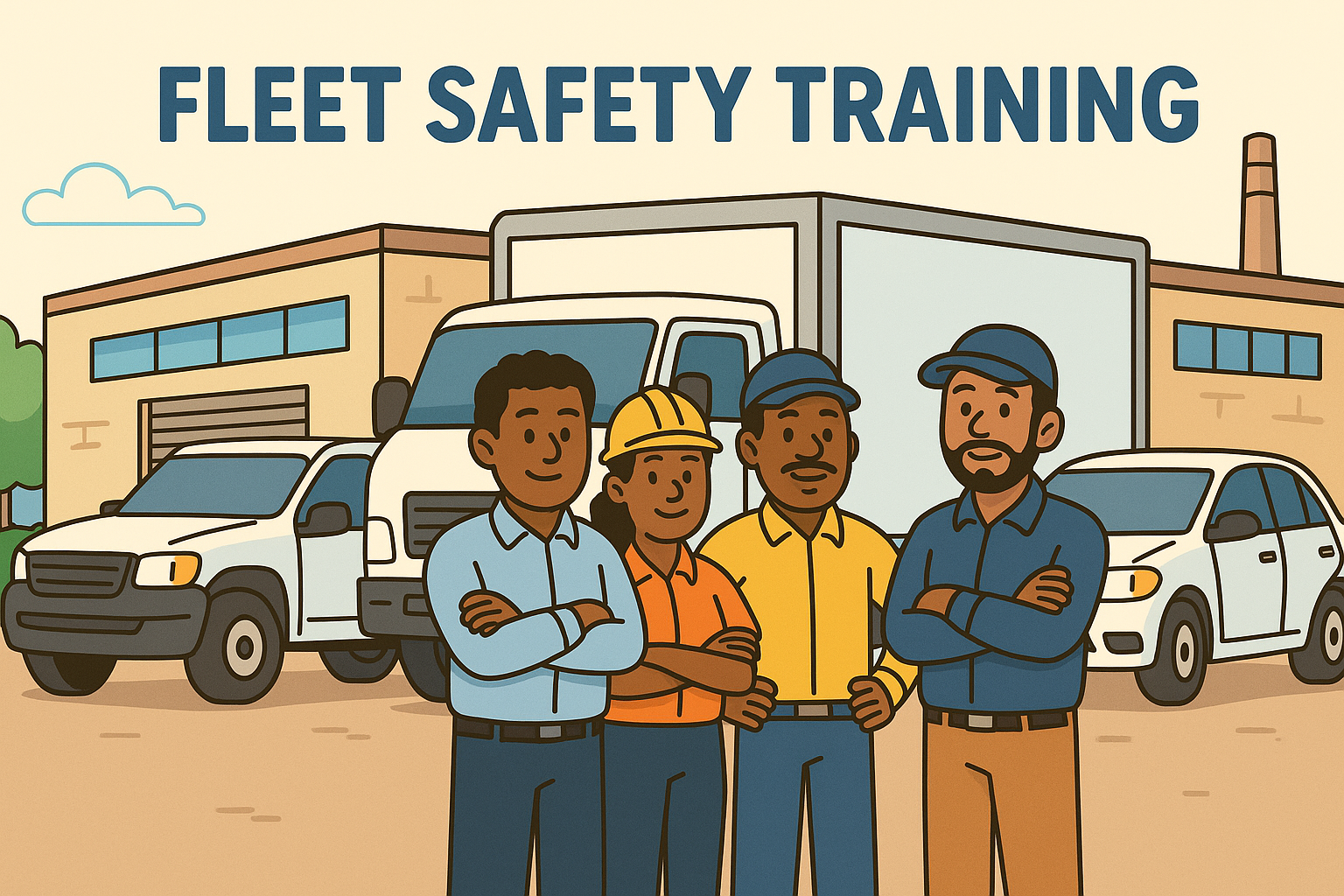
This course covers safe driving practices, vehicle inspections, distracted driving, defensive techniques, and accident response procedures.

This training will teach you how to: Operate MEWPs safely, Perform inspections, Understand fall protection requirements, Respond in emergencies, Comply with OSHA and ANSI safety regulations.

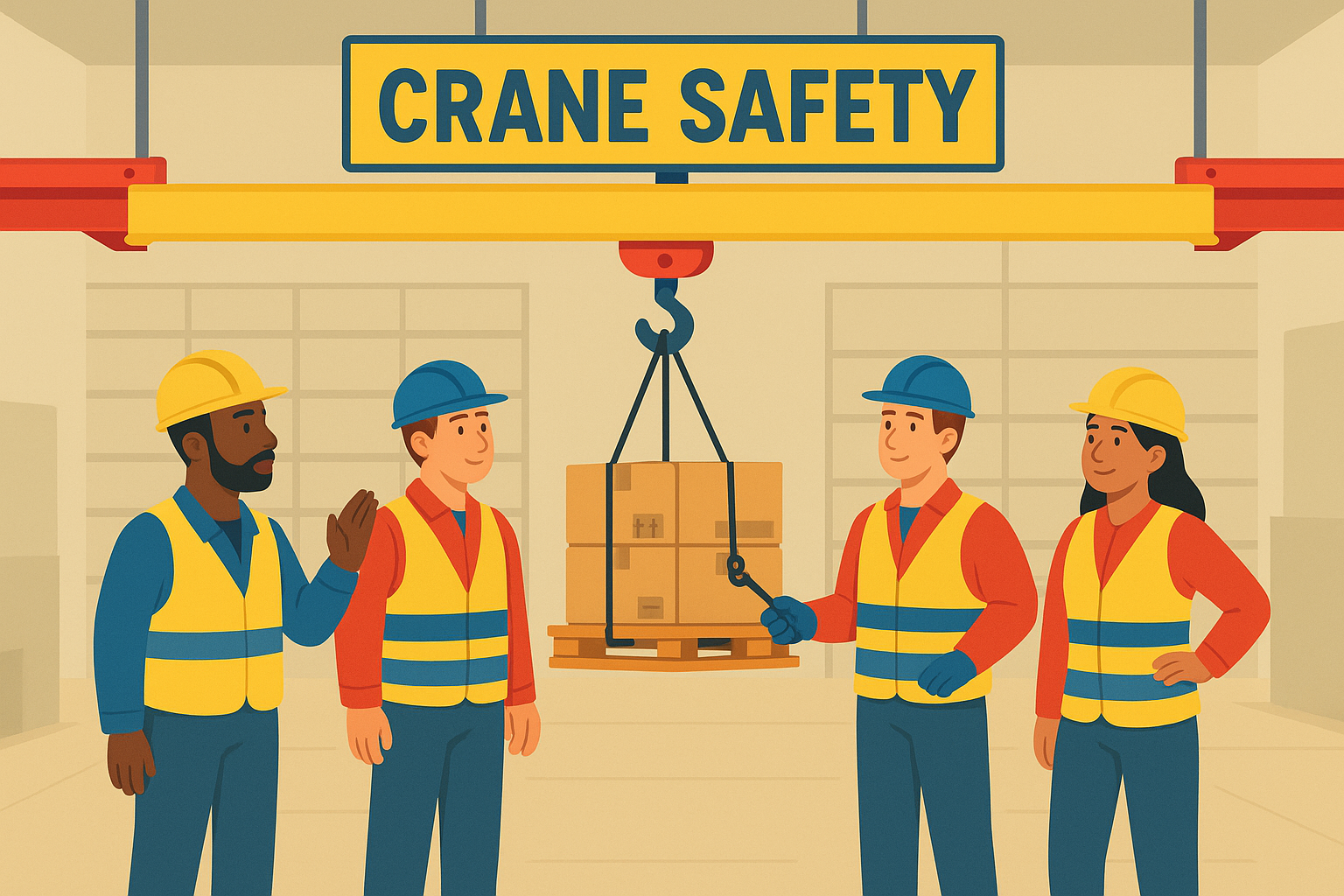
This training will help you recognize hazards, use equipment safely, and understand the procedures needed to protect yourself and others when working with Cranes and Hoist. 

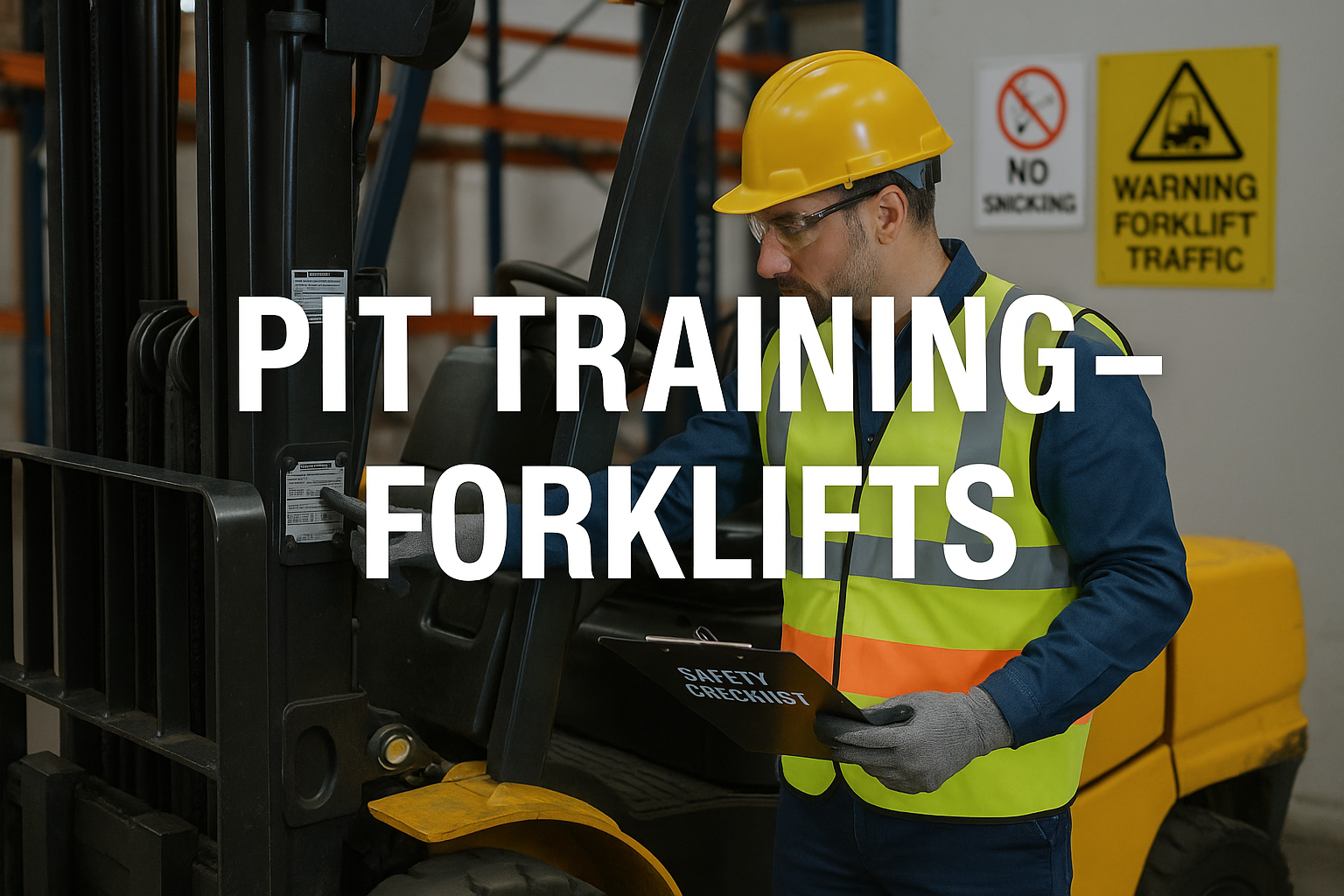
Safety instructions for the operation of common Powered Industrial Trucks with the focus on Forklift operation. This course follows OSHA regulation 1910.178.

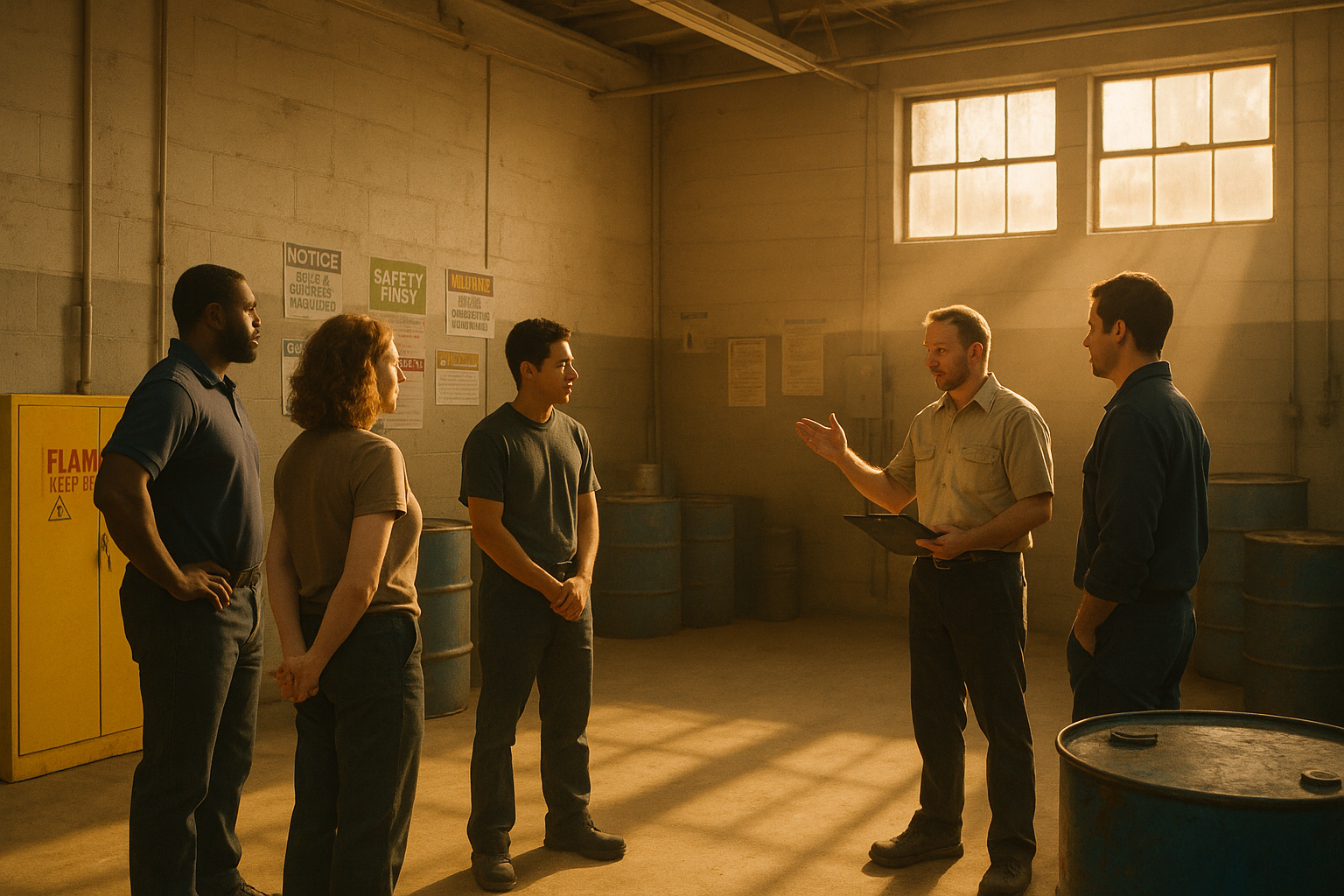
In this course, you will learn: How to identify flammable and combustible liquids, How to handle and store them safely, What your responsibilities are under OSHA, How to respond to spills or fires involving flammable materials.

 What this course covers: What bloodborne pathogens are and how they spread, How to protect yourself and others, How to use personal protective equipment (PPE) correctly, What to do in the event of an exposure incident, Your rights under OSHA’s BBP standard.

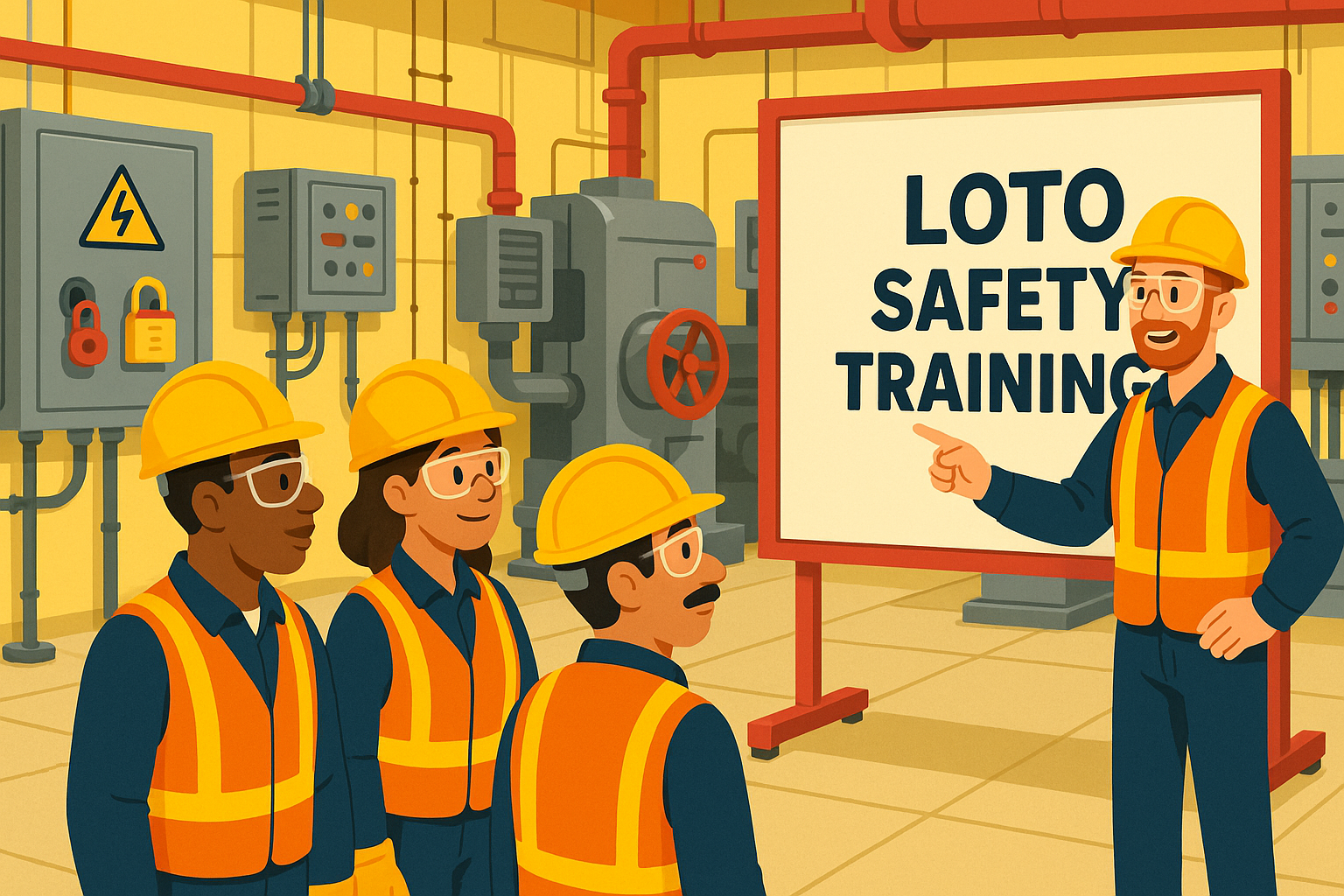
This training helps prevent serious injury or death from the unexpected energization or startup of machines or equipment. It complies with OSHA standard 29 CFR 1910.147 and is mandatory for: Maintenance technicians, Electricians, Machine operators, Any employee involved in servicing or maintaining machines and equipment.
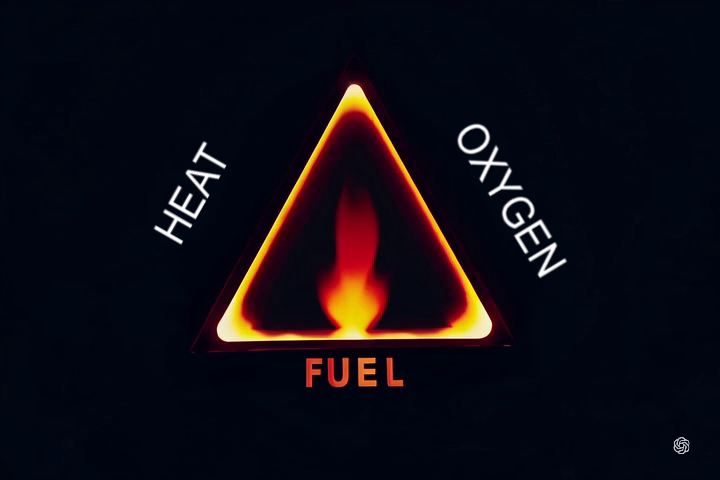
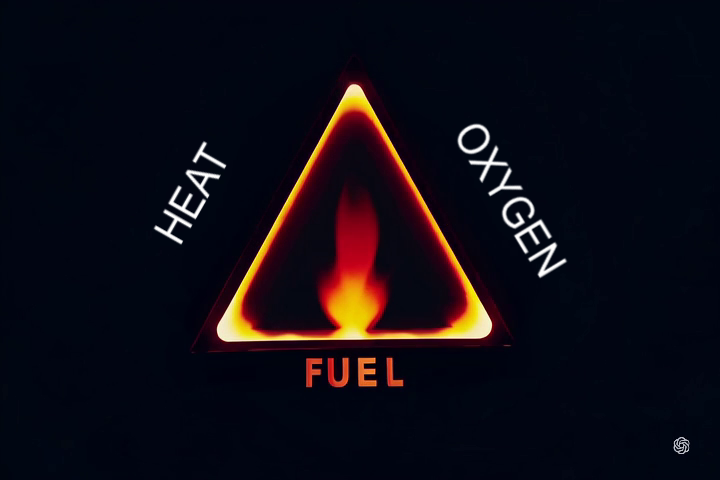
This course teaches employees how to recognize fire hazards, prevent workplace fires, and respond safely in an emergency. Learners will explore the fire triangle, OSHA requirements, proper extinguisher use, and evacuation procedures through interactive activities and knowledge checks.
A strong back allows people to perform daily tasks with relative ease. Unfortunately, the back is not resilient. Activities such as heavy lifting, repetitive movements, and sitting at a desk all day can take a toll on the back. Once the back is injured, it is never as strong as it was before. Prevention is the key to protecting the back from injury. 

This course is designed for general awareness of overhead cranes. 

An employee orientation is necessary for all newly hired workers. Your orientation should include a learning session and a tour of the work area and wider facility to discuss all applicable hazards.

Occupational Safety and Health Administration (OSHA) standards are rules that describe the methods that employers must use to protect their employees from hazards. There are OSHA standards for construction work, maritime operations and general industry, which is the set that applies to most worksites. These standards limit the amount of hazardous chemicals workers can be exposed to, require the use of certain safe practices and equipment, and require employers to monitor hazards and keep records of workplace injuries and illnesses. Examples of OSHA standards include requirements to provide fall protection, prevent trenching cave-ins, prevent infectious diseases, ensure that workers safely enter confined spaces, prevent exposure to harmful substances like asbestos, put guards on machines, provide respirators or other safety equipment, and provide training for certain dangerous jobs.


Training course for collecting a representative stormwater sample for Stormwater permitting.

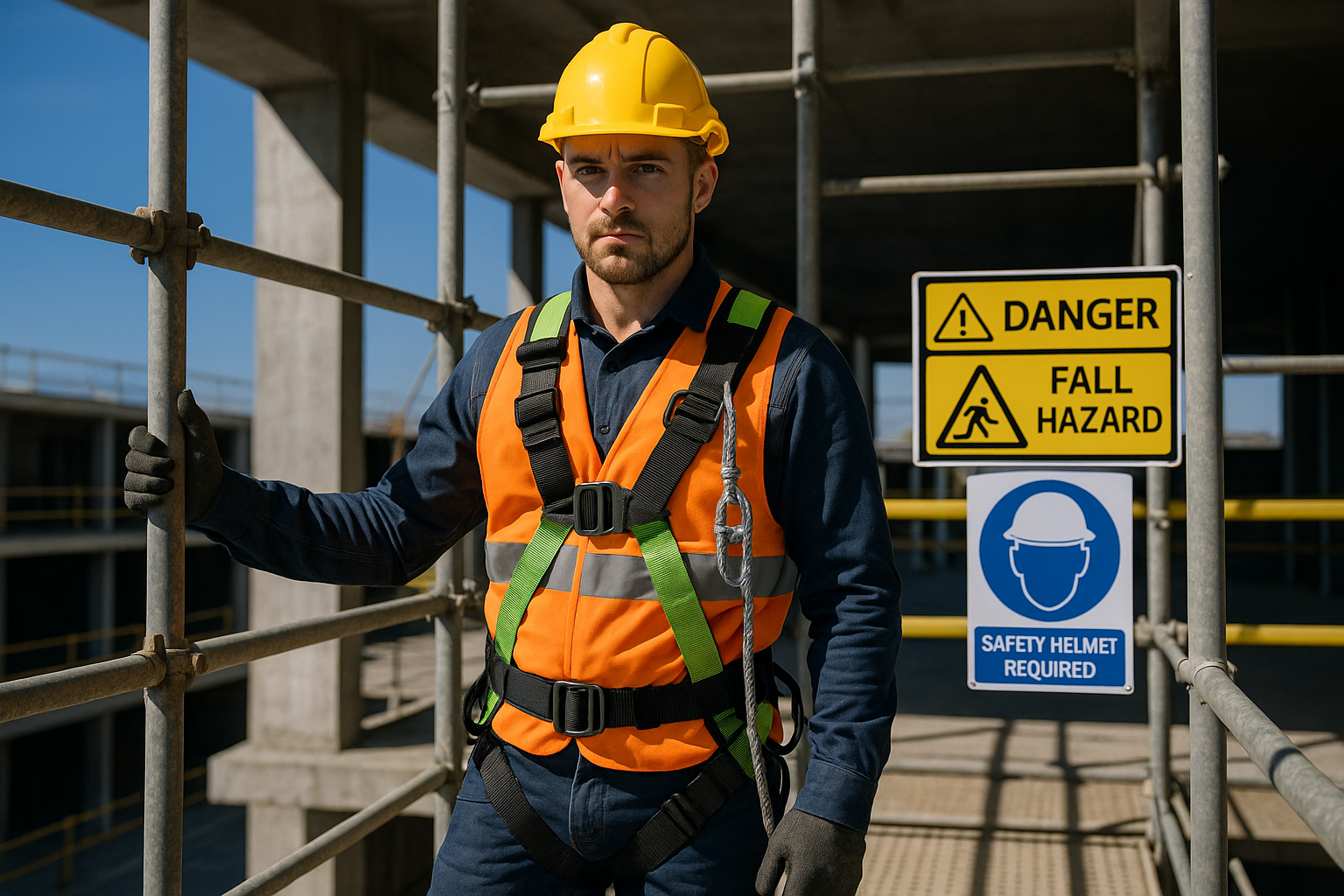
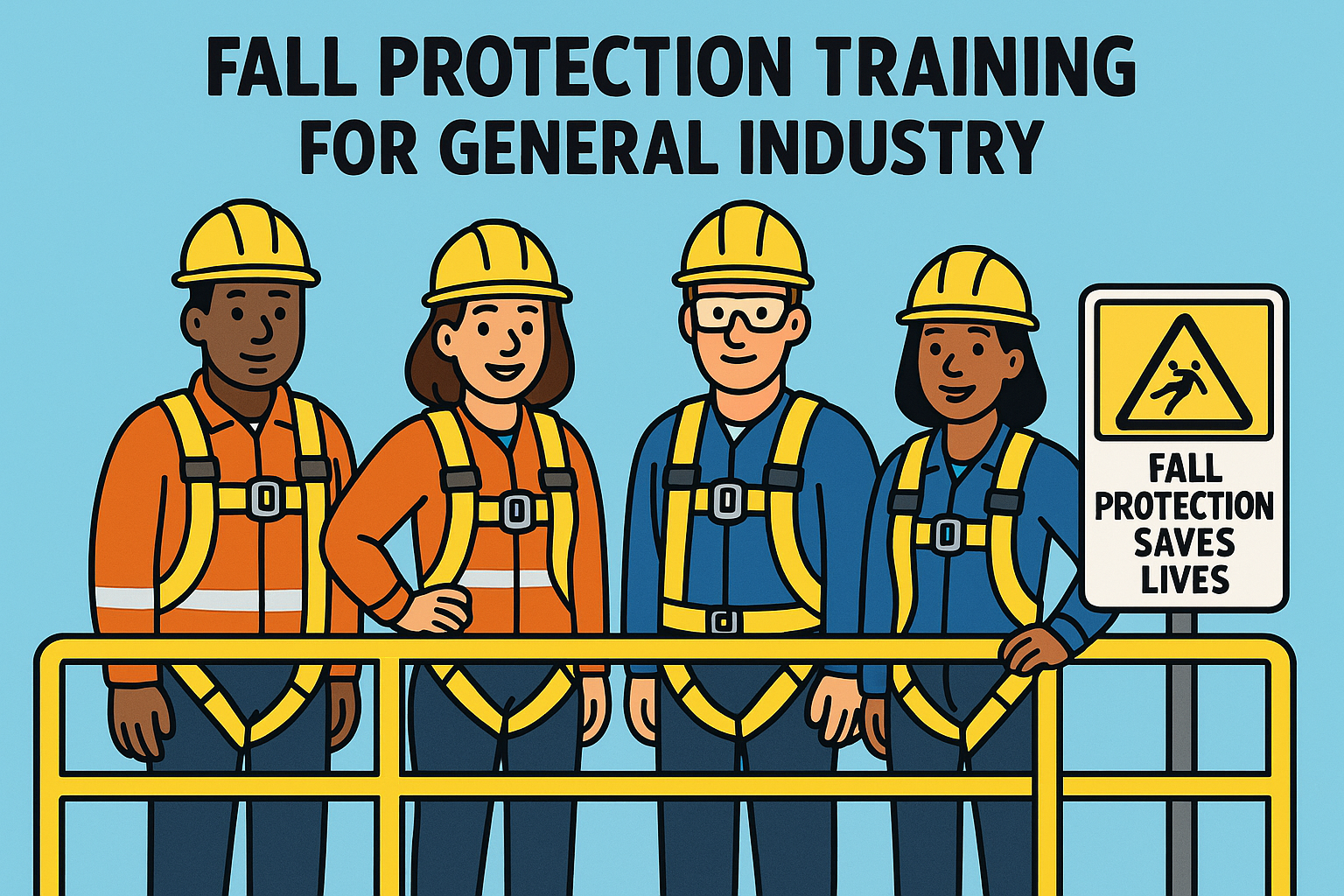
This topic addresses one of the leading causes of workplace fatalities: falls from heights. Learners will gain an understanding of OSHA’s fall protection standards (29 CFR 1926 Subpart M for construction and 1910 Subpart D for general industry), including when protection is required and what systems are acceptable. The training emphasizes recognizing fall hazards, proper use of personal fall arrest systems (PFAS), and safe practices on ladders, scaffolds, and elevated work surfaces.

Key Topics:

  • Types of fall protection systems (guardrails, PFAS, safety nets, etc.)

  • When fall protection is required

  • Ladder and scaffold safety basics

  • Fall hazard recognition and prevention

  • Employer and employee responsibilities

This topic introduces the basics of electrical safety in the workplace, focusing on recognizing, avoiding, and protecting against electrical hazards. Learners will review OSHA’s electrical standards (29 CFR 1910 Subpart S), including safe work practices around energized equipment, extension cords, grounding, and lockout/tagout procedures. The course stresses how even low-voltage systems can pose serious risks if not handled properly.

Key Topics:

  • Common electrical hazards and injury types

  • Safe use of cords, tools, and equipment

  • Grounding and circuit protection

  • Lockout/Tagout overview

  • Employer and employee responsibilities under OSHA

This topic focuses on the proper selection, use, and maintenance of personal protective equipment to reduce exposure to workplace hazards. Learners will explore OSHA’s PPE standard (29 CFR 1910 Subpart I), the hierarchy of controls, and the importance of conducting hazard assessments. The course emphasizes how PPE acts as a last line of defense when engineering and administrative controls are not enough.

Key Topics:

  • Types of PPE (eye, face, hand, foot, head, respiratory, etc.)

  • When and how PPE should be used

  • Employer and employee responsibilities

  • Limitations and care of PPE

  • Hazard assessment and training requirements

Hazard Communication (HazCom)

This topic introduces OSHA’s Hazard Communication Standard (29 CFR 1910.1200), also known as the "Right to Know" law. It ensures that workers understand the chemical hazards they may be exposed to on the job. Learners will review labeling systems, Safety Data Sheets (SDS), and employer responsibilities for maintaining a chemical hazard communication program. The training emphasizes how to identify, interpret, and respond to chemical hazards safely.

Key Topics:

  • The Globally Harmonized System (GHS) for labeling

  • Safety Data Sheet (SDS) sections and use

  • Chemical hazard classification

  • Employer and employee responsibilities

  • Safe storage and handling of hazardous substances

Exit Routes, Emergency Action Plans, and Fire Prevention Plans:

29 CFR 1910 Subpart E

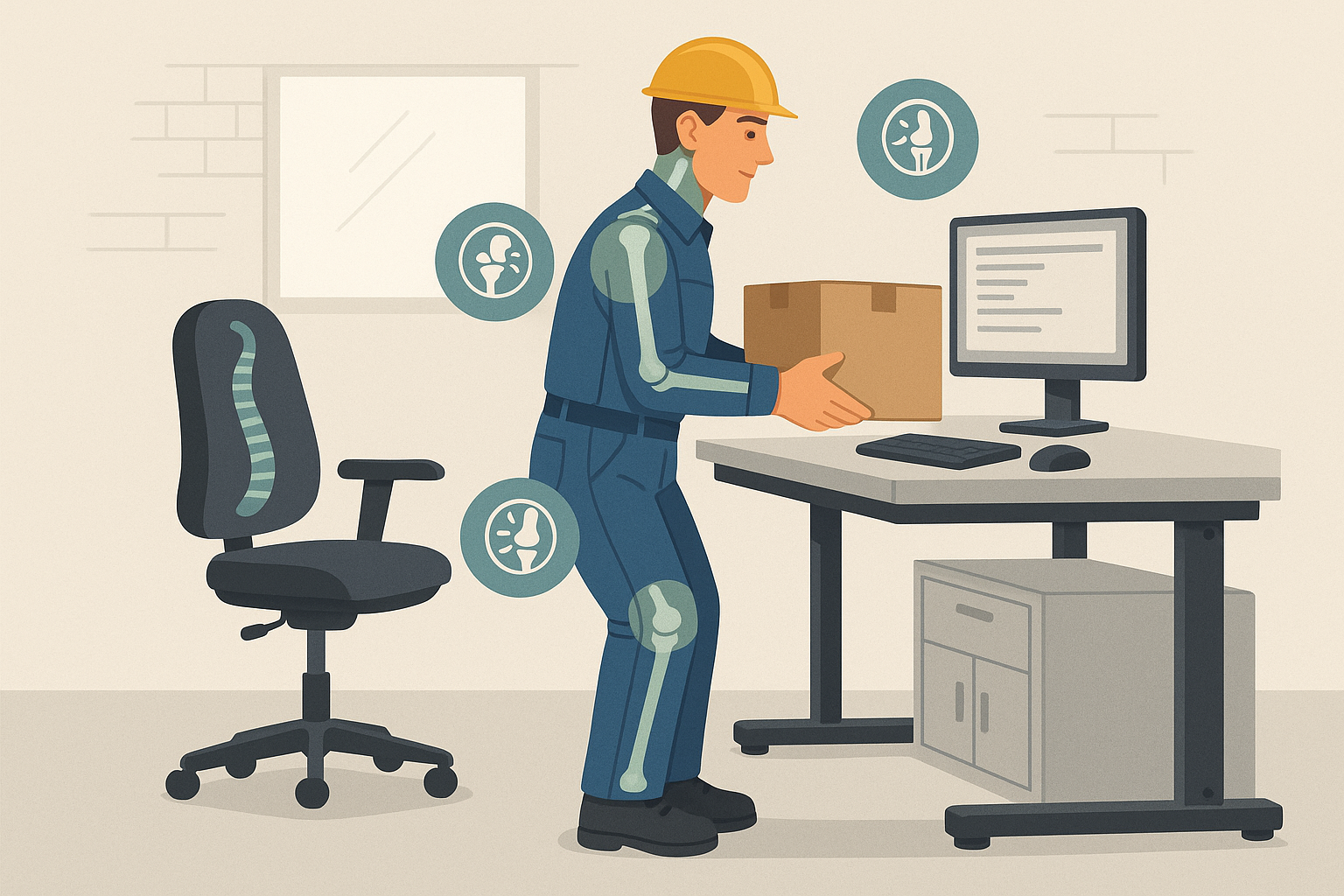
This topic introduces the basic principles of ergonomics and how they apply to workplace safety and injury prevention. Learners will explore how poor workstation design, repetitive motions, awkward postures, and heavy lifting can lead to musculoskeletal disorders (MSDs). The course emphasizes practical ways to identify ergonomic risks and implement simple solutions to improve comfort, productivity, and overall safety.

Key Topics:

  • What ergonomics is and why it matters

  • Common ergonomic risk factors

  • Signs and symptoms of musculoskeletal disorders (MSDs)

  • Strategies for improving workstation and tool design

  • Employer and employee roles in ergonomic safety

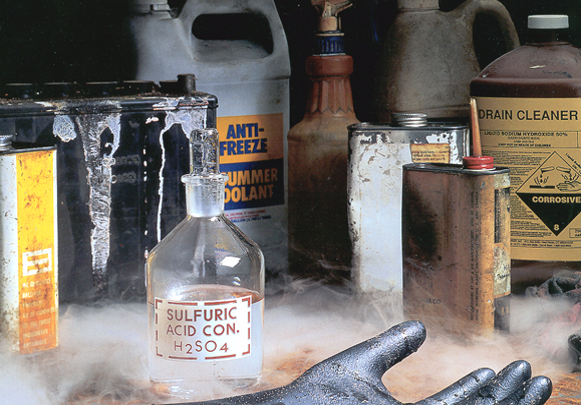
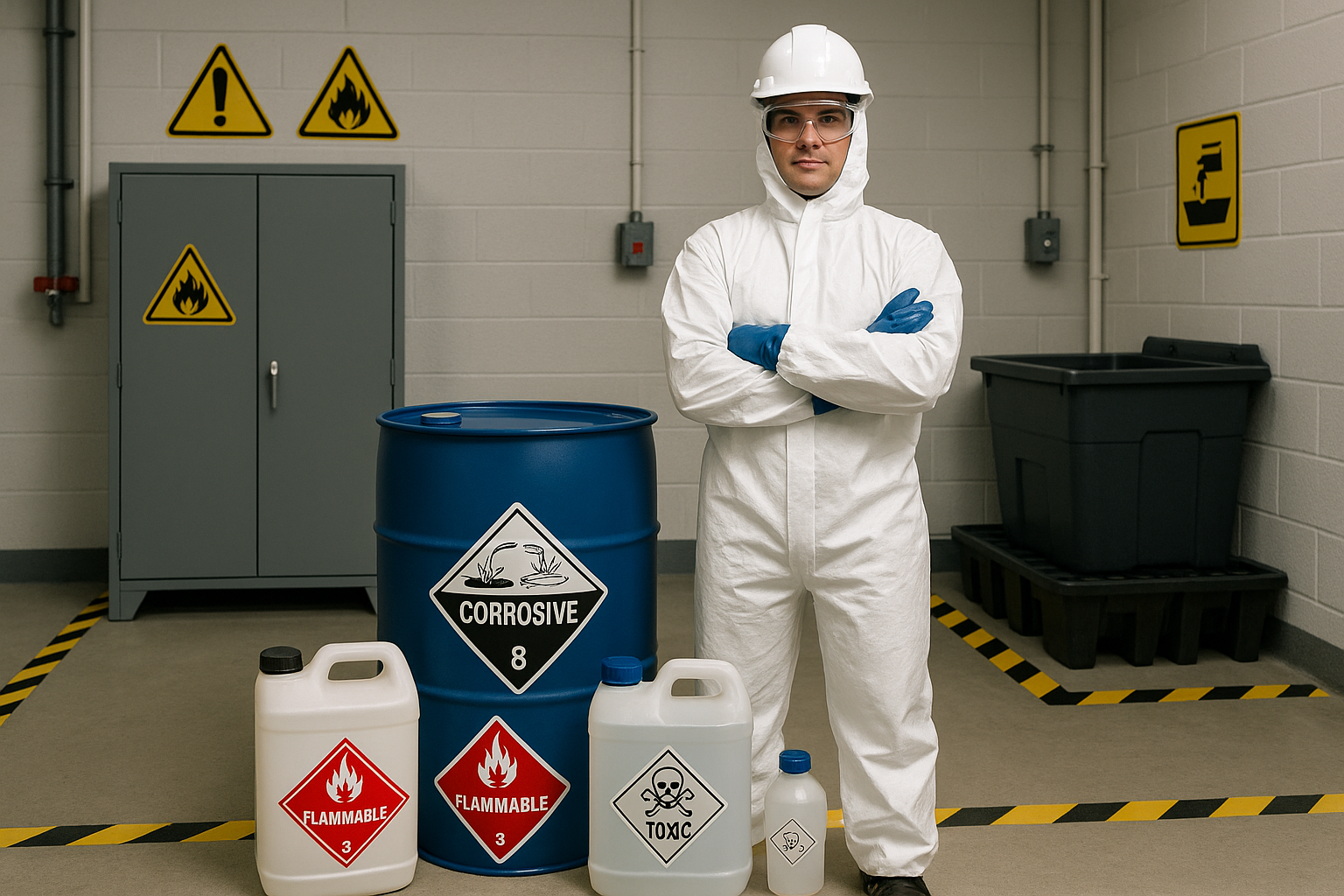
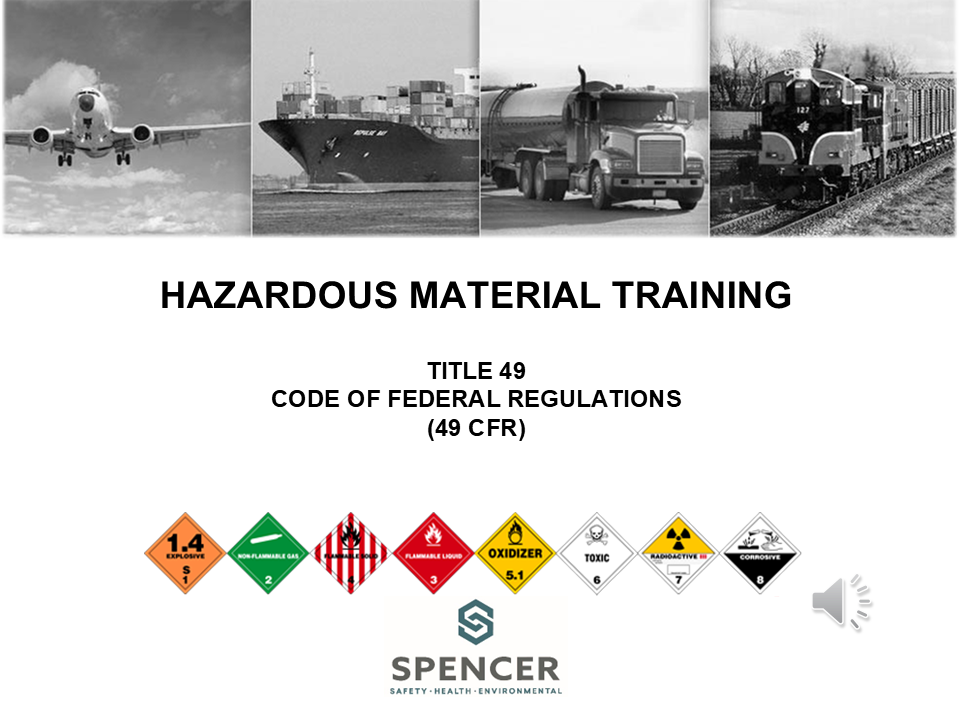
This topic provides an overview of the safe handling, storage, and disposal of hazardous materials in the workplace. Learners will become familiar with OSHA’s requirements for identifying chemical hazards, emergency procedures, and protective measures. The training also touches on flammable liquids, compressed gases, corrosives, and other commonly used hazardous substances. Emphasis is placed on minimizing exposure and preventing incidents through proper labeling, training, and controls.

Key Topics:

  • Types of hazardous materials and associated risks

  • Safe storage and handling practices

  • Emergency response and spill procedures

  • Container labeling and warning signs

  • Overview of OSHA regulations and employee responsibilities

This topic covers the safe handling, storage, and movement of materials to prevent workplace injuries. Learners will explore both manual and mechanical material handling methods, with a focus on ergonomics, proper lifting techniques, and the safe use of equipment such as forklifts, hand trucks, and hoists. The course emphasizes recognizing hazards like overexertion, struck-by incidents, and falling materials.

Key Topics:

  • Manual handling and safe lifting practices

  • Ergonomic risk factors and injury prevention

  • Safe use of powered and non-powered equipment

  • Stacking, storing, and securing materials

  • Common hazards and OSHA requirements

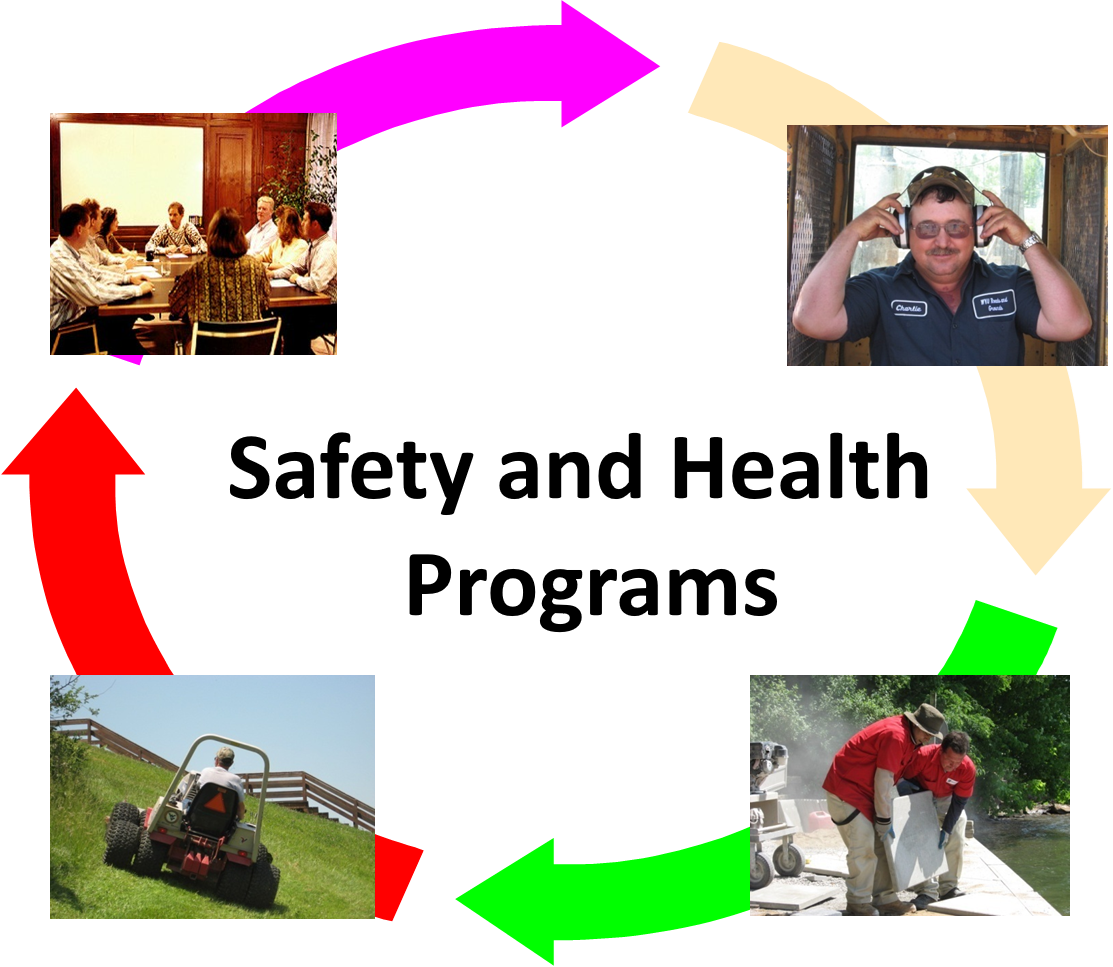
This topic outlines the core elements of effective workplace safety and health programs. Learners will understand how proactive safety efforts help prevent injuries, illnesses, and fatalities. The module highlights OSHA’s recommended practices, including management commitment, worker participation, hazard identification, and continuous improvement. Participants will also explore how safety culture and employee involvement contribute to long-term success.

Key Topics:

  • Core elements of a safety and health program

  • Benefits of a proactive safety culture

  • Roles of employers and employees

  • Hazard identification and prevention

  • Communication and continuous improvement strategies

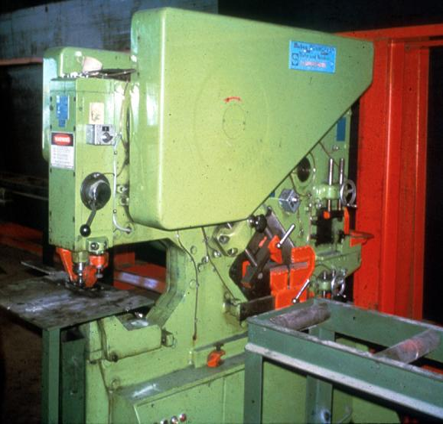
This topic covers the principles and requirements of machine guarding to protect workers from moving parts, flying chips, sparks, and other dangerous machinery hazards. Learners will explore common types of machine guards, how to recognize unguarded or improperly guarded equipment, and the roles of employers and employees in ensuring machine safety. Real-world examples highlight the consequences of inadequate guarding and the importance of OSHA’s standards (29 CFR 1910 Subpart O).

This presentation emphasizes hazard identification, avoidance, and control – not standards.  No attempt has been made to treat the topic exhaustively.

Workers can be exposed to a variety of health hazards on a job site, including:

Chemical
Biological
Physical
Ergonomic

If not practicing good hygiene, these hazards can be brought home and expose family members as well. Protect yourself and your family by knowing what health hazards may be present at your jobsite and take appropriate actions for exposure control.

This topic focuses on recognizing, preventing, and responding to heat-related illnesses in the workplace. Learners will review how environmental conditions, physical activity, and personal factors contribute to heat stress. The training covers symptoms of heat exhaustion and heat stroke, emergency response steps, and OSHA’s recommended practices for working safely in hot environments—especially important for outdoor and high-heat indoor jobs.

Key Topics:

  • Causes and risk factors for heat stress

  • Symptoms of heat exhaustion and heat stroke

  • Prevention strategies: hydration, rest breaks, acclimatization

  • Emergency response and first aid

  • Employer and employee responsibilities

This course emphasizes hazard identification, avoidance, and control

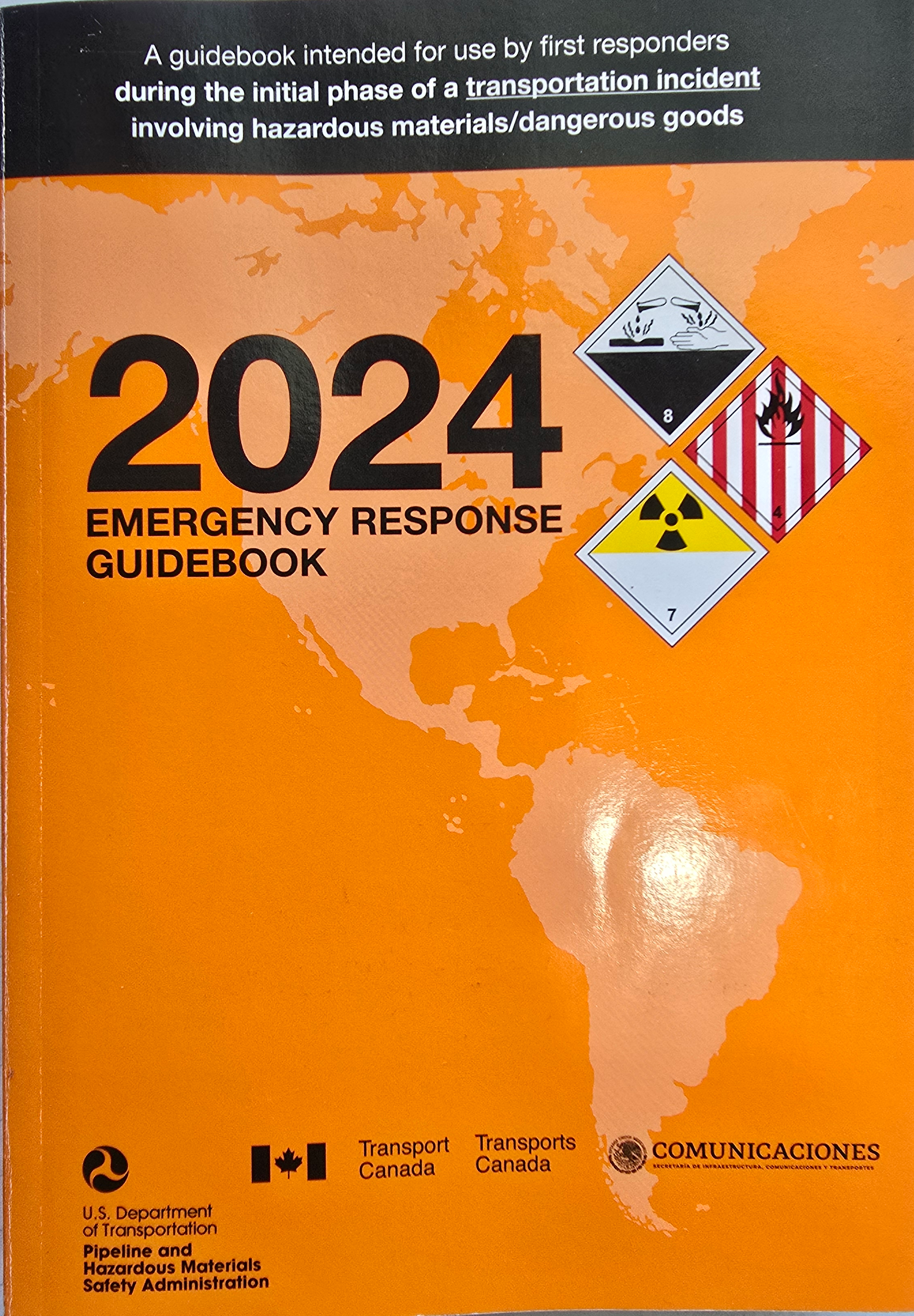
Emergency Response Guide 2024 Overview

A quick walkthrough that shows you how to sign in, open your courses, and start your online training with confidence.

This course teaches employees how to recognize fire hazards, prevent workplace fires, and respond safely in an emergency. Learners will explore the fire triangle, OSHA requirements, proper extinguisher use, and evacuation procedures through interactive activities and knowledge checks.

Adopted from the OSHA Forklift presentation www.osha.gov for FEMA warehouse forklift operator training

The scope provisions of 1910.178(a), which are based on ANSI B56.1 - 1969, remain in effect and cover:

... fork trucks, tractors, platform lift trucks, motorized hand trucks, and other specialized industrial trucks powered by electric motors or internal combustion engines.

It does not apply to compressed air or nonflammable compressed gas-operated industrial trucks, farm vehicles, nor vehicles intended primarily for earth moving or over-the-road hauling.

This scope covers general industry, construction and shipyards.